Skip to content
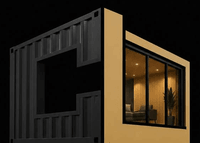
Commercial & Pop-Up Container UnitsConcept render — example build

Container conversion

Commercial & Pop-Up Container Units

A branded, mobile trading space that turns heads and turns over.

A trading space that arrives ready to open

Container units have become the look of modern street food, independent coffee, pop-up bars and event trading for good reason: they’re distinctive, they’re tough, they lock up secure overnight, and they can move to wherever the trade is. For a new venture they’re a far lower-risk way to start than a fixed lease and a shop fit. For an established business they’re a mobile, branded extra pitch: a second site, a festival presence, a forecourt kiosk.

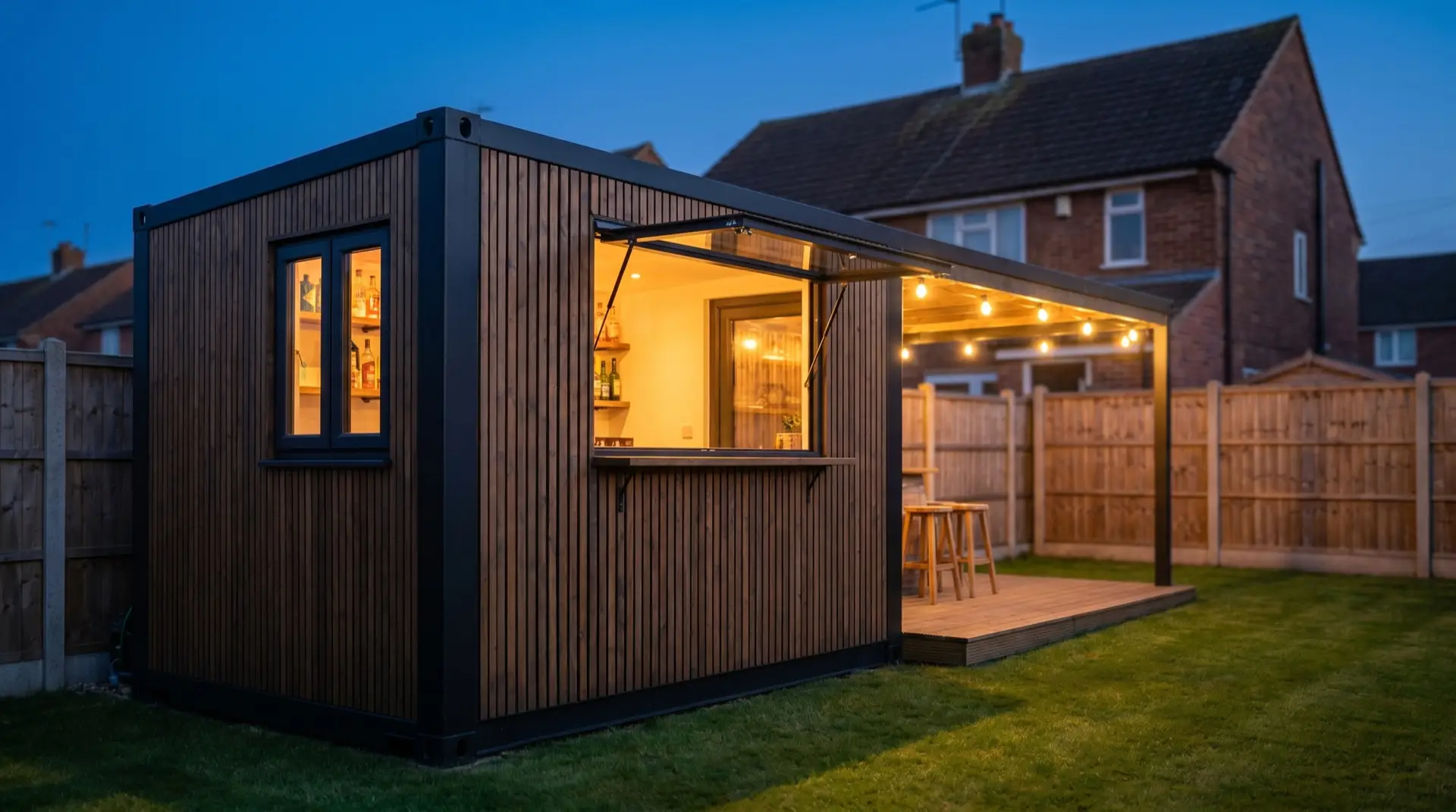
We build commercial units around the service. A coffee or street-food unit needs the right counter height, a serving hatch that opens to a queue, extraction and plumbing done to standard, and surfaces that wipe clean. A pop-up bar needs beer lines, fridges and a hatch that throws open for a crowd. A retail or office unit needs a glazed front, good light and a layout that moves customers through. We start from how you’ll trade and design the unit back from there.

Branded, secure, built to work hard

A commercial unit lives outdoors and gets used hard, so it’s built for it. The shell is insulated and finished to a standard that keeps staff comfortable through a shift in any season. The front secures with a roller shutter so the unit locks down solid overnight on a pitch or at an event. Electrics are commercial-grade, with the power, lighting and sockets a working unit needs, wired to Part P. And the exterior is built to carry your brand, with signage, vinyl wrap, lighting and a glazed shopfront, so the unit is the marketing as much as the place of trade.

Jack’s kitchen-fitting background pays off directly here: a commercial counter, a compact working galley and fitted service joinery are exactly the precise, finish-critical work he’s done for fifteen-plus years. The unit is built to look sharp on day one and keep looking it after a hard season.

Mobile, and ready when you need it

Because we hold our own container stock, the build starts when it’s agreed, which matters when you’re trying to be open for a season, a launch or an event date. And because it’s a container, the whole unit relocates: trade a forecourt in the week and an event at the weekend, or move the whole operation to a better pitch. It’s delivered nationwide on a HIAB lorry, craned into position on most sites without major groundworks, levelled and left ready to connect.

Planning and siting

Commercial and pop-up units vary a lot in how they’re treated. It depends on the site, whether it’s permanent or temporary, the use class and whether you’re on private land, a market or an event. Some temporary and event uses are straightforward; a permanent commercial siting usually needs planning and may involve Building Regs and licensing for food, drink or trading. We’ll be straight with you about what your plan is likely to need and help you scope it, but the planning, licensing and any food-hygiene registration sit with you and your local authority. (Always verify with your local planning authority and relevant licensing body.)

Priced to the brief

No two commercial units are the same, so we don’t price them off a list. Tell us what you’re trading, how you’ll serve and where it’s going, and we’ll design, build, brand, deliver and site a unit ready to open, backed by our 5-year structural guarantee on the shell, with a clear quote built around exactly what your venture needs.
What’s included

  • Insulated and fully finished trading interior
  • Serving hatch / counter with secure roller-shutter front
  • Commercial-grade electrics, lighting and consumer unit (Part P)
  • Hard-wearing, easy-clean flooring and surfaces
  • Branding-ready exterior
  • Layout designed around your service and flow

Popular options

  • Plumbing, hot water, sink and drainage for food and drink
  • Extraction and ventilation for catering
  • Full branding, signage, vinyl wrap and lighting
  • Glazed shopfront, bi-fold serving or canopy
  • Off-grid power and water for events and remote sites
  • Multiple or stacked units for a larger venue

Commercial & Pop-Up builds

See full gallery →
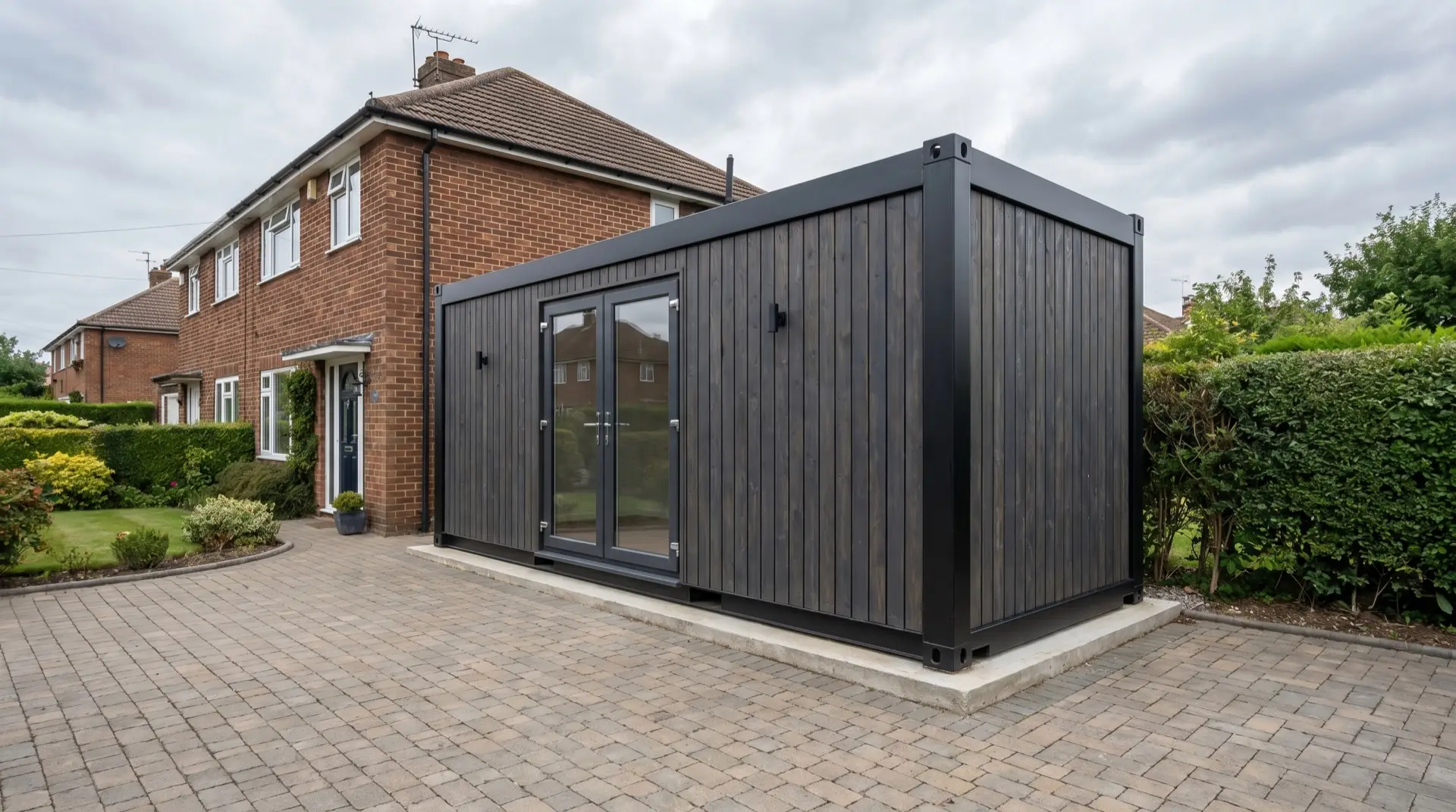
Pop-up trading unit: branded & mobile
Concept render — example build

Pop-up trading unit: branded & mobile

Nationwide delivery

No jargon, no dodging

Commercial & Pop-Up: common questions

Do I need planning permission for a container conversion?

For a day-use garden building, such as a gym, office, room, bar or studio, you usually fall under permitted development and need no application, provided it sits behind the house, is single storey, is kept low within 2m of a boundary (max 2.5m high there), covers no more than half your garden and has no veranda or raised platform. Conservation areas, AONBs and listed properties have tighter rules. Anything used for sleeping or letting always needs full planning permission. Always verify with your local planning authority. Scotland, Wales and Northern Ireland differ from this England guidance, and a Lawful Development Certificate is worth considering for peace of mind.

What about sleeping in it, or using it as an Airbnb or annexe?

Any space used for sleeping or letting, such as a guest annexe, a holiday let or an Airbnb, always needs full planning permission and must meet Building Regulations, without exception. That covers insulation, ventilation, fire safety and how services are installed. We build glamping and holiday-let units to that sleeping specification from the start and will guide you through the planning route, but the permission itself is granted by your local authority.

Do Building Regulations apply?

For a detached garden building under 15m² of internal floor area with no sleeping use, Building Regulations generally do not apply. Between 15m² and 30m² there are conditions, mainly around proximity to boundaries and fire. Any sleeping accommodation brings full Building Regs into play. One thing always applies regardless of size: Part P, covering electrical work, and we wire every build to it. Always confirm your specific case with your local authority building control.

What foundations does it need, and how is it sited?

For most gardens, none in the traditional sense. A container is structural in its own right, so we typically site it on levelled concrete pad stones or a simple prepared base, with no digging foundations and no waiting for concrete to cure. On softer or sloping ground we will advise on the right base. The unit is craned into final position, levelled and left ready.

How is it delivered, and how much access do you need?

The finished unit is delivered on a HIAB lorry, a lorry with a crane that lifts the container over fences, walls and hedges into position, so the lorry itself does not need to reach the exact spot. We do need clear access for the lorry to get close enough and overhead room for the crane. Tight or unusual access is usually workable, but we assess it with you before delivery day so there are no surprises. We deliver nationwide from our Radcliffe base.

How long does it take?

Because we hold our own stock of quality containers, your build starts when it is agreed rather than waiting on a supplier, which keeps lead times shorter than most. The exact timescale depends on the size and specification of your build; we will give you a clear lead time with your quote. [TBC: typical turnaround in weeks, to confirm with Jack.]

Concept render — example build

Ready for your commercial & pop-up?

Tell us what you’re picturing. We’ll design it, build it, and set it down ready to enjoy.

We reply within one working day · Radcliffe, Greater Manchester · Nationwide delivery

Call WhatsApp Free Quote